
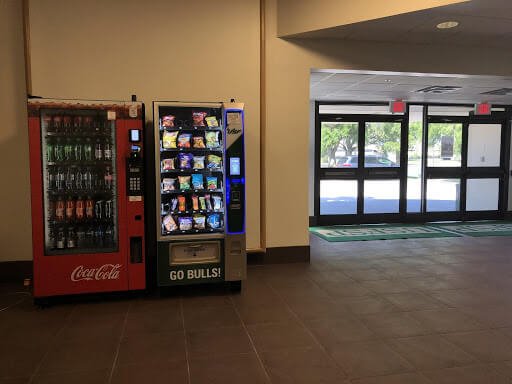
The conversation around vending machines in schools has evolved significantly over the past decade. Once criticised for promoting sugary snacks and poor eating habits, modern school vending machines are now being reimagined as tools for convenience, nutrition support, and safe access to food and drinks – particularly in busy educational environments.
As this topic continues to trend on Google, schools, parents, and administrators are asking more nuanced questions: Should schools have vending machines? What role do they play in student wellbeing? And how can they be implemented responsibly?
This in-depth guide explores the benefits, challenges, and best-practice models for vending machines in schools, with a focus on modern, health-conscious, and fully managed solutions.
What Are Vending Machines in Schools?
Vending machines in schools are automated retail units installed on school premises to provide students, staff, and visitors with access to food, drinks, or essential items throughout the day. Today’s machines look very different from those of the past, offering:
- Healthier snack and beverage options
- Cashless and contactless payment systems
- Portion-controlled products
- Smart inventory and usage tracking
Modern vending machines are designed to complement school canteens—not replace them—by filling gaps when traditional food services are unavailable.
Why Vending Machines in Schools Are Increasingly Common
Changing School Schedules
With longer school days, extracurricular activities, and after-hours programs, students and staff often need access to food and drinks outside canteen operating hours.
Focus on Convenience and Safety
Vending machines provide controlled, unattended access to products without queues, reducing congestion during breaks and supporting efficient campus movement.
Improved Nutrition Standards
Unlike older models, today’s vending machines in schools can be stocked exclusively with healthier, compliant options aligned with school and government guidelines.
The Benefits of Vending Machines in Schools
1. Reliable Access to Food and Drinks
Students who miss breakfast, forget lunch, or stay late for sports benefit from having access to snacks and hydration when they need it most.
2. Support for Student Wellbeing
Hunger and dehydration negatively affect concentration, behaviour, and learning outcomes. Vending machines help bridge nutritional gaps throughout the school day.
3. Reduced Pressure on Canteens
Canteens often face staffing shortages or limited operating hours. Vending machines provide supplementary access without increasing workload.
4. Contactless and Hygienic
Modern vending machines use touchless payment methods, supporting hygiene and reducing shared contact—an important consideration in school environments.
5. No Cost to Schools
Many modern providers offer vending machines to schools completely free, including installation, servicing, and maintenance.
Common Concerns About Vending Machines in Schools
Despite their benefits, vending machines in schools still raise valid concerns that must be addressed responsibly.
Poor Nutrition Choices
The biggest concern historically has been unhealthy food options. This risk is mitigated by:
- Pre-approved product lists
- Portion-controlled snacks
- Water and low-sugar beverage prioritisation
Commercialisation of School Spaces
Schools must ensure vending machines align with educational values rather than promoting excessive consumerism.
Equity and Accessibility
Pricing and product selection should be designed so all students can access items fairly, without stigma.
Healthy Vending Machines in Schools: A New Standard
Healthy vending is no longer optional—it’s expected. Best-practice vending machines in schools focus on:
- Reduced sugar and salt content
- Nut-free options
- Whole-food snacks
- Water, milk, and low-sugar drinks
- Clear nutritional labelling
When implemented correctly, vending machines reinforce positive food choices rather than undermining them.
Are Vending Machines in Schools Regulated?
Yes. In Australia, many schools follow state-based healthy food and drink guidelines that influence what can be sold on campus. While requirements vary, most frameworks emphasise:
- Limiting sugary drinks
- Encouraging healthier snack options
- Supporting student wellbeing
Reputable vending providers work closely with schools to ensure full compliance.
The Role of Technology in Modern School Vending Machines
Technology has transformed vending machines in schools into smart, data-driven solutions.
Cashless Payments
Students increasingly use cards or mobile wallets, eliminating the need for cash handling.
Smart Monitoring
Inventory tracking ensures popular items are restocked quickly while reducing waste.
Usage Insights
Schools can review anonymised usage data to ensure vending supports—not disrupts—school routines.
Why Fully Managed Vending Is Essential for Schools
Schools should not be responsible for stocking, servicing, or maintaining vending machines. Fully managed solutions ensure:
- Zero operational burden
- Regular cleaning and maintenance
- Product rotation based on demand
- Fast issue resolution
This model allows schools to enjoy the benefits without administrative complexity.
Trusted Provider of Vending Machines in Schools: Xvend
Xvend Vending Solutions specialises in fully serviced and managed vending machines across Australia, including schools, universities, hospitals, gyms, and other high-traffic environments.
Xvend provides vending machines completely FREE to schools, handling installation, stocking, servicing, and maintenance end-to-end. Their machines feature industry-leading technology, cashless payments, and modern designs that deliver safe, contactless, unattended convenience.
With a strong focus on compliance, nutrition-conscious product ranges, and reliable management, Xvend helps schools implement vending machines responsibly—without cost or hassle.
For a deeper discussion on whether vending machines belong in schools, explore their expert insights on this site.
Best Use Cases for Vending Machines in Schools
Vending machines are particularly effective in:
- Secondary schools and colleges
- Boarding schools
- Campuses with large student populations
- After-hours learning environments
- Sports and performance-focused schools
Placement near libraries, gyms, or common areas ensures accessibility without disrupting learning.
Vending Machines Vs School Canteens
It’s not an either/or decision.
| Feature | School Canteen | Vending Machines |
| Operating Hours | Limited | 24/7 |
| Staffing Required | Yes | No |
| Menu Variety | Broad | Curated |
| Convenience | Moderate | High |
Together, they create a balanced food access ecosystem.
Addressing Parent and Community Concerns
Transparency is critical. Schools should:
- Communicate product guidelines
- Share nutritional standards
- Explain management arrangements
- Invite feedback
When parents understand that vending machines in schools are health-focused and responsibly managed, resistance decreases significantly.
The Future of Vending Machines in Schools
As education environments modernise, vending machines are expected to:
- Offer more fresh and functional foods
- Integrate with student ID systems
- Support sustainability goals
- Provide essential non-food items
The future is not about selling more—it’s about serving smarter.
Frequently Asked Questions
Should schools have vending machines?
When stocked responsibly and fully managed, vending machines can support student wellbeing and convenience.
Are vending machines free for schools?
Many providers, including Xvend, offer vending machines at no cost to schools.
Can vending machines be healthy?
Yes. Modern vending machines can be stocked exclusively with healthier, guideline-compliant options.
Do vending machines replace canteens?
No. They complement canteens by providing access outside operating hours.
Final Thoughts
The debate around vending machines in schools has shifted from whether they should exist to how they should be implemented. With the right provider, product selection, and management model, vending machines can enhance convenience, support wellbeing, and operate in alignment with school values.
Fully managed solutions like those offered by Xvend demonstrate that vending machines in schools don’t have to be a burden—or a risk. When done right, they become a practical, modern amenity that supports students, staff, and school communities alike.
 Vending Machine Hire
Leave a comment