Thinking about getting into the vending business? Or maybe you’re considering adding a vending machine to your workplace for staff and visitors? Either way, one of the first questions people ask is simple: “How much does a vending machine cost?”
It’s a fair question — but the answer isn’t always straightforward. The vending machine cost depends on things like machine type, features, placement, and whether you buy, rent, or partner with a managed service.
So let’s break it down. By the end of this blog, you’ll have a clear idea of what to expect, what options you have, and why working with a provider like Xvend Vending Solutions can make things surprisingly easy (and even free).
The Big Question: How Much Does a Vending Machine Cost?
Vending machines can range from $2,000 to $10,000+ if you’re buying outright. But that’s just the starting point — there’s also stocking, maintenance, and servicing to think about.
Here are some rough ballpark figures:
- Basic Drink Machines: $2,000–$4,000
- Snack Machines: $3,000–$5,000
- Combination (Snacks + Drinks): $4,000–$7,000
- Specialty Machines (fresh food, coffee, PPE, electronics): $5,000–$10,000+
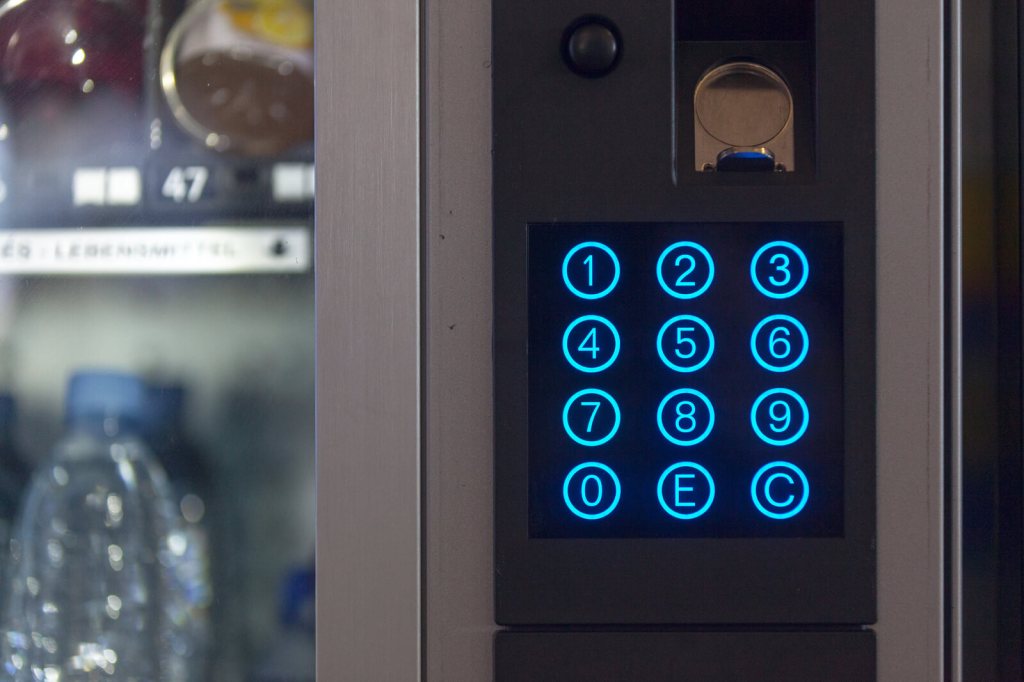
Of course, the more advanced the machine (touchscreens, cashless payments, remote monitoring), the higher the cost.
Buying vs Renting Vs Managed Service
When people ask about vending machine cost, they often mean the upfront purchase price. But here’s the good news: you don’t always have to buy one.
1. Buying a Vending Machine
- Pros: You own it outright, full control.
- Cons: High upfront cost, plus you’re responsible for maintenance, repairs, and stocking.
2. Renting a Vending Machine
- Pros: Lower upfront cost, predictable monthly fee.
- Cons: Costs can add up over time, and you may still handle restocking.
3. Managed Service (Like Xvend)
This is where it gets interesting. Companies like Xvend Vending Solutions actually supply, install, stock, and manage machines completely free to you.
- Pros: No upfront cost, no maintenance headaches, no hassle.
- Cons: You don’t “own” the machine — but honestly, why would you want to when someone else does all the work?
For many businesses, managed vending is the smartest move because it provides all the benefits without the financial or operational burden.
Other Costs to Keep in Mind
If you’re buying your own machine, here are extra expenses that add up:
- Stocking Costs: Drinks, snacks, or specialty items need regular replenishing.
- Maintenance & Repairs: Parts can break, from coin mechanisms to refrigeration units.
- Energy Consumption: Modern machines are more efficient, but electricity still adds to your bill.
- Licensing & Permits: Some councils may require permits depending on placement.
According to Small Business Trends, these hidden costs often catch first-time vending owners off guard.
How Vending Machines Make Money
So, you’re probably wondering — if vending machines can cost thousands, how do people make a profit?
It’s all about location + demand. A machine in a high-traffic area (like a school, hospital, or gym) can sell dozens of items per day. Multiply that by hundreds of days a year, and suddenly the profits make sense.
Profit margins vary, but snacks and drinks typically deliver 30%–50% margins, making vending a solid passive income stream — if managed well.
Why More Businesses Choose Managed Vending
Here’s where Xvend comes in. They remove all the risk, upfront costs, and hassle.
- No Machine Cost: Machines are provided for free.
- No Stocking Stress: Xvend keeps machines stocked with drinks, snacks, or tailored items.
- Modern Technology: Contactless payment, remote monitoring, and real-time data.
- Broad Service Range: They supply to construction sites, hotels, schools, universities, hospitals, gyms, retail spaces, shopping centres, warehouses, and more.
Basically, you get all the perks of having a vending machine onsite without worrying about the cost, upkeep, or logistics.
Is It Worth Buying Your Own Machine?
For some entrepreneurs, buying a machine outright makes sense if:
- You want full control over products and pricing.
- You have the time to stock, clean, and service machines yourself.
- You’re looking to build a vending business with multiple machines.
But for most workplaces, schools, or community centres, the managed service model delivers the best value.
Types of Vending Machines and Their Costs
Let’s break it down further:
1. Drink Vending Machines
- Dispense bottles, cans, or cartons.
- Cost: $2,000–$4,000 (purchase).
- Popular in gyms, schools, and hospitals.
2. Snack Machines
- Chips, chocolates, protein bars, nuts.
- Cost: $3,000–$5,000.
- Common in offices, warehouses, and retail spaces.
3. Combination Machines
- Offer both snacks and drinks.
- Cost: $4,000–$7,000.
- Great for high-traffic areas.
4. Specialty Machines
- Coffee vending, PPE, fresh meals, electronics, even cupcakes.
- Cost: $5,000–$10,000+.
The versatility of vending today goes way beyond Coke and chips — and so do the costs.
Vending Machine Trends to Watch
The vending industry is evolving quickly, with exciting trends like:
- Contactless Payments: Tap-and-go is now standard.
- Smart Technology: Machines with IoT tracking can alert suppliers when stock is low.
- Healthier Options: Demand for low-sugar drinks and healthy snacks is rising (Forbes: Healthy Vending Trend).
- Eco-Friendly Machines: Energy-efficient designs and recyclable packaging.
If you’re considering vending for your workplace, choosing a provider that stays on top of these trends is a big plus.
Final Thoughts
So, how much does a vending machine cost? The short answer: anywhere from $2,000 to $10,000+ if you’re buying outright. But if you don’t want the upfront investment or the responsibility of maintenance, companies like Xvend Vending Solutions can install and manage machines for free.
That means you get all the benefits — happy staff, convenient service, and even a potential revenue share — without any of the headaches.
Whether you’re running a gym, school, hospital, warehouse, or office, a vending machine can add serious value to your space. The key is choosing the right model (and the right partner) for your needs.
 Vending Machine Hire
Leave a comment