
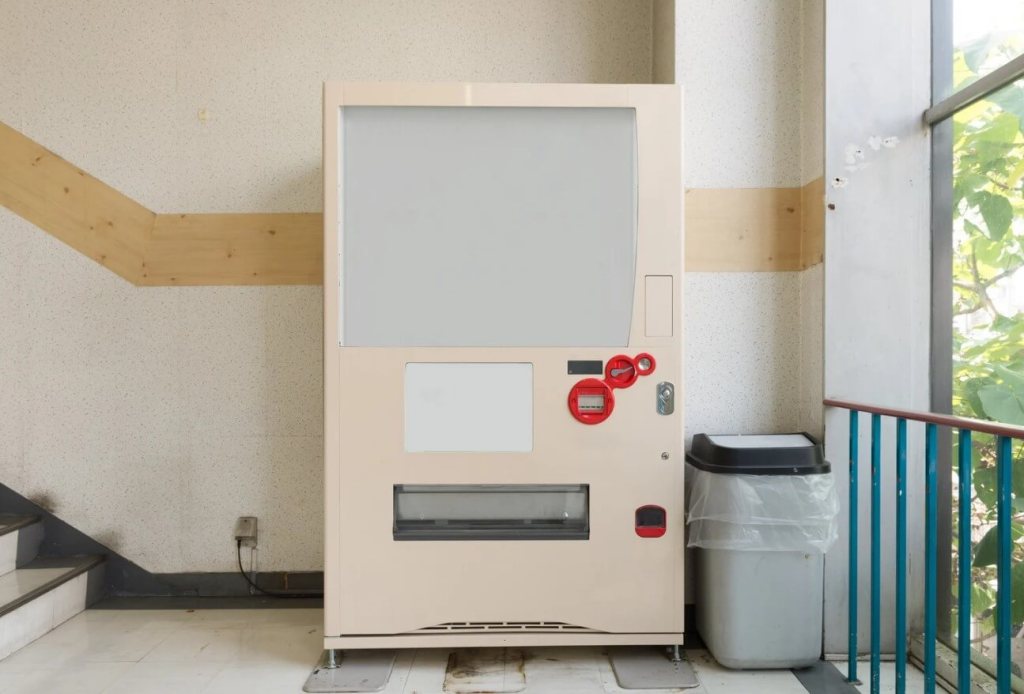
In today’s fast-paced world, convenience is a key factor in our food choices—especially in schools where students are often pressed for time. School vending machines have become a common feature in educational institutions, offering quick access to snacks and drinks throughout the day. However, with rising concerns about childhood obesity and poor nutrition, the spotlight is now on making school vending machines part of the solution rather than the problem.
This article explores the evolving role of school vending machines, their benefits, challenges, and how schools can use them to promote healthier eating habits among students.
Why School Vending Machines Are Important
School vending machines serve multiple purposes. They provide students with snacks and drinks during recess or between classes, especially for those who might have missed breakfast or didn’t pack lunch. For schools, vending machines can also generate additional revenue that can be reinvested into school programs or facilities.
The real value of school vending machines lies in their ability to make nutritious options accessible. By thoughtfully selecting the items stocked, schools can influence students’ daily dietary habits in a positive way.
The Shift Toward Healthier Vending Options
Traditionally, school vending machines have been associated with sugary drinks, chips, and candy—items high in calories but low in nutritional value. However, many schools across Australia and around the world are now rethinking this model.
New regulations and nutritional guidelines are encouraging the inclusion of healthier items such as:
- Bottled water and low-sugar juices
- Wholegrain crackers and muesli bars
- Fresh fruit cups and veggie sticks
- Low-fat yoghurts
- Trail mixes and dried fruits
This shift is not only aligned with government health initiatives but also reflects changing parental expectations around what is appropriate for children to consume during school hours.
Benefits of Healthy School Vending Machines
Implementing nutritious school vending machines can offer numerous advantages:
1. Promotes Healthy Habits
Children and teenagers are at a critical stage of developing lifelong habits. Making healthy food and drinks more accessible encourages better choices, both at school and beyond.
2. Boosts Academic Performance
Good nutrition has been linked to improved cognitive function and academic outcomes. Students who eat well are more focused, have better memory retention, and perform better on tests.
3. Reduces Sugar Crashes
Replacing sugary drinks and snacks with protein-rich, fibre-filled alternatives helps students maintain consistent energy levels throughout the school day.
4. Supports Dietary Needs
With many students requiring gluten-free, dairy-free, or allergen-sensitive options, modern vending machines can be stocked to meet a wide range of dietary needs.
How to Choose the Right School Vending Machine
When selecting school vending machines, schools and education providers should consider several factors:
- Nutritional Compliance: Ensure the machine and its stock comply with local health and school nutrition guidelines.
- Variety: Offer a range of options catering to different tastes and dietary needs.
- Portion Control: Choose products with age-appropriate serving sizes to avoid overconsumption.
- Temperature Control: For items like yoghurts or fresh produce, refrigerated vending machines are ideal.
- Cashless Payment Options: Equip machines with tap-and-go payment systems for ease of use.
Partnering with a reliable vending provider that specialises in healthy school solutions can simplify the process.
Managing and Maintaining School Vending Machines
Maintaining a school vending machine is essential to ensure freshness, hygiene, and compliance. Tasks should include:
- Regular restocking and expiry date checks
- Cleaning of machine surfaces
- Monitoring sales to identify popular items
- Ensuring machines are always in working condition
Many modern vending machine suppliers offer remote monitoring, so schools can track inventory levels and performance data in real time.
Vending Machines as Educational Tools
Interestingly, school vending machines can also serve as an educational resource. Schools can use them as part of health and nutrition curricula, teaching students about reading labels, making informed food choices, and understanding the impact of sugar and fats on health.
Schools can even involve student councils in selecting the stock, encouraging leadership and responsibility while aligning choices with the student body’s preferences.
Final Thoughts
School vending machines don’t have to be junk-food dispensers. When implemented thoughtfully, they can play an important role in promoting health, supporting student wellbeing, and even contributing to academic success. By providing nutritious, convenient snack options and embracing technology, schools can create a supportive food environment that nurtures both body and mind.
If your school is considering installing or upgrading its vending services, now is the perfect time to explore healthy, innovative solutions that meet modern nutritional standards and student expectations.
 Vending Machine Hire
Leave a comment