
Food vending machines have revolutionized the way people access snacks, beverages, and even full meals. These machines, which were once limited to basic chips and sodas, have evolved to offer a wide variety of fresh and healthy food options, catering to the busy lifestyles of modern consumers. With advancements in technology, vending machines have become more efficient, hygienic, and accessible, making them a preferred choice for many individuals and businesses.
The Evolution of Food Vending Machines
Food vending machines have come a long way from their traditional coin-operated designs. Early vending machines were simple mechanical devices that dispensed a limited selection of pre-packaged snacks. Over time, technological advancements have introduced digital payment systems, touchscreen interfaces, and even AI-powered inventory management.
Today, modern vending machines offer an array of fresh foods, including salads, sandwiches, sushi, and hot meals. These machines are equipped with temperature control systems to maintain food freshness and comply with health standards. Some vending machines even feature robotic arms that prepare customized meals on the spot, ensuring quality and variety.
Benefits of Food Vending Machines
1. Convenience and Accessibility
Food vending machines are available 24/7, making them an excellent option for people with busy schedules. Whether placed in offices, hospitals, schools, or public spaces, these machines provide quick and easy access to food without the need for a physical store or restaurant.
2. Variety and Healthy Options
Unlike the past, where vending machines were synonymous with unhealthy snacks, modern machines now offer nutritious alternatives such as protein bars, fruit cups, yogurt, and organic beverages. This shift towards healthier options aligns with the increasing demand for balanced diets and wellness-conscious choices.
3. Cashless and Contactless Payments
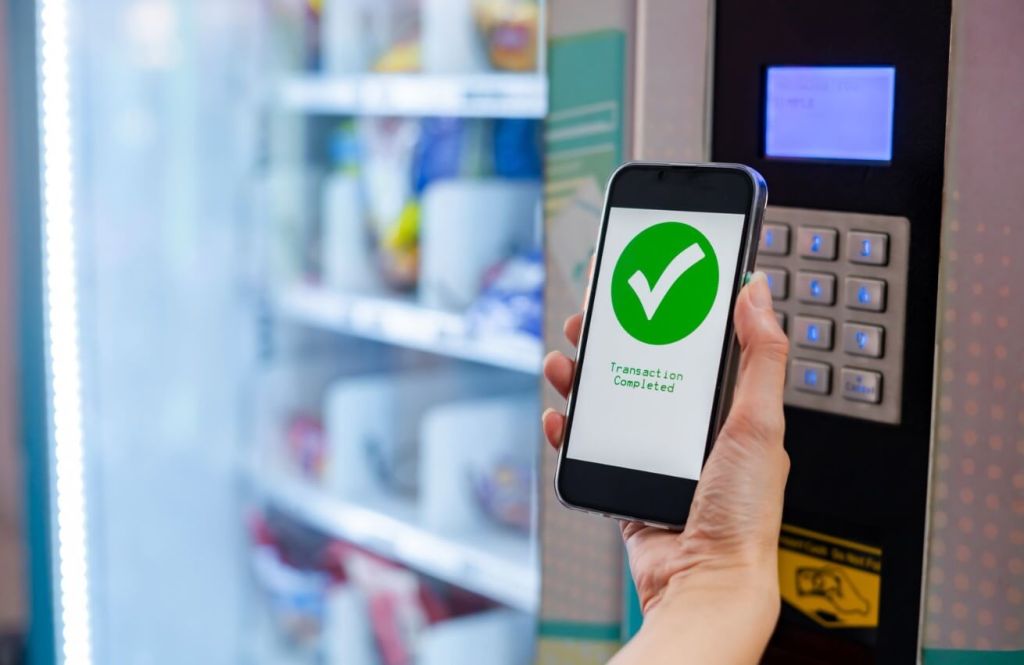
With the rise of digital wallets, credit/debit card payments, and mobile apps, vending machines have adapted to cashless transactions. This feature enhances customer convenience and hygiene, reducing the need for physical money handling.
4. Cost-Effectiveness for Businesses
For businesses, installing vending machines can be a cost-effective way to provide employees and customers with food options without the overhead costs associated with running a cafeteria. Vending machines require minimal maintenance and staffing while ensuring a steady flow of revenue.
Popular Types of Food Vending Machines
- Snack and Beverage Vending Machines – These machines offer chips, chocolates, sodas, and juices. They are commonly found in schools, offices, and transportation hubs.
- Fresh Food Vending Machines – These provide salads, sandwiches, and other perishable items stored in controlled temperatures.
- Hot Meal Vending Machines – Equipped with heating elements, these machines dispense ready-to-eat hot meals such as pasta, rice bowls, and soups.
- Healthy Food Vending Machines – These focus on organic, gluten-free, and low-calorie snacks to cater to health-conscious consumers.
- Specialty Vending Machines – Some vending machines are dedicated to unique foods like sushi, pizza, or gourmet coffee, enhancing the overall vending experience.
The Future of Food Vending Machines
The vending industry is continuously evolving, integrating artificial intelligence, IoT connectivity, and sustainable practices. Future vending machines will likely feature predictive restocking, smart customization based on consumer preferences, and biodegradable packaging to reduce environmental impact.
As food vending machines continue to advance, they will play a crucial role in shaping the future of convenient dining, offering high-quality, diverse, and accessible meal options worldwide.
 Vending Machine Hire
Leave a comment